Skip to content

2020 Part Deux, Vacation Edition

My husband and I (along with family and friend) are on a cruise. It’s been much fun, and our daily update included the fact that we had no known cases of COVID-19 on board in either passengers or crew. That made sense, as we were all vaccinated and everyone tested negative to board. Yay!

Then Jon had a runny nose for a day and a half. Just a runny nose, nothing bad. But he did a COVID test and turned up positive. The cruise ship machine kicked into gear — he was the first known positive — and they escorted him out among disposable scrubs, masks, shields, and a guy following him with a Ghostbusters backpack that misted disinfectant everywhere he walked.

2020 Part Deux, Vacation Edition

Fushimi Inari Taisha

Fushimi Inari Taisha (shrine)

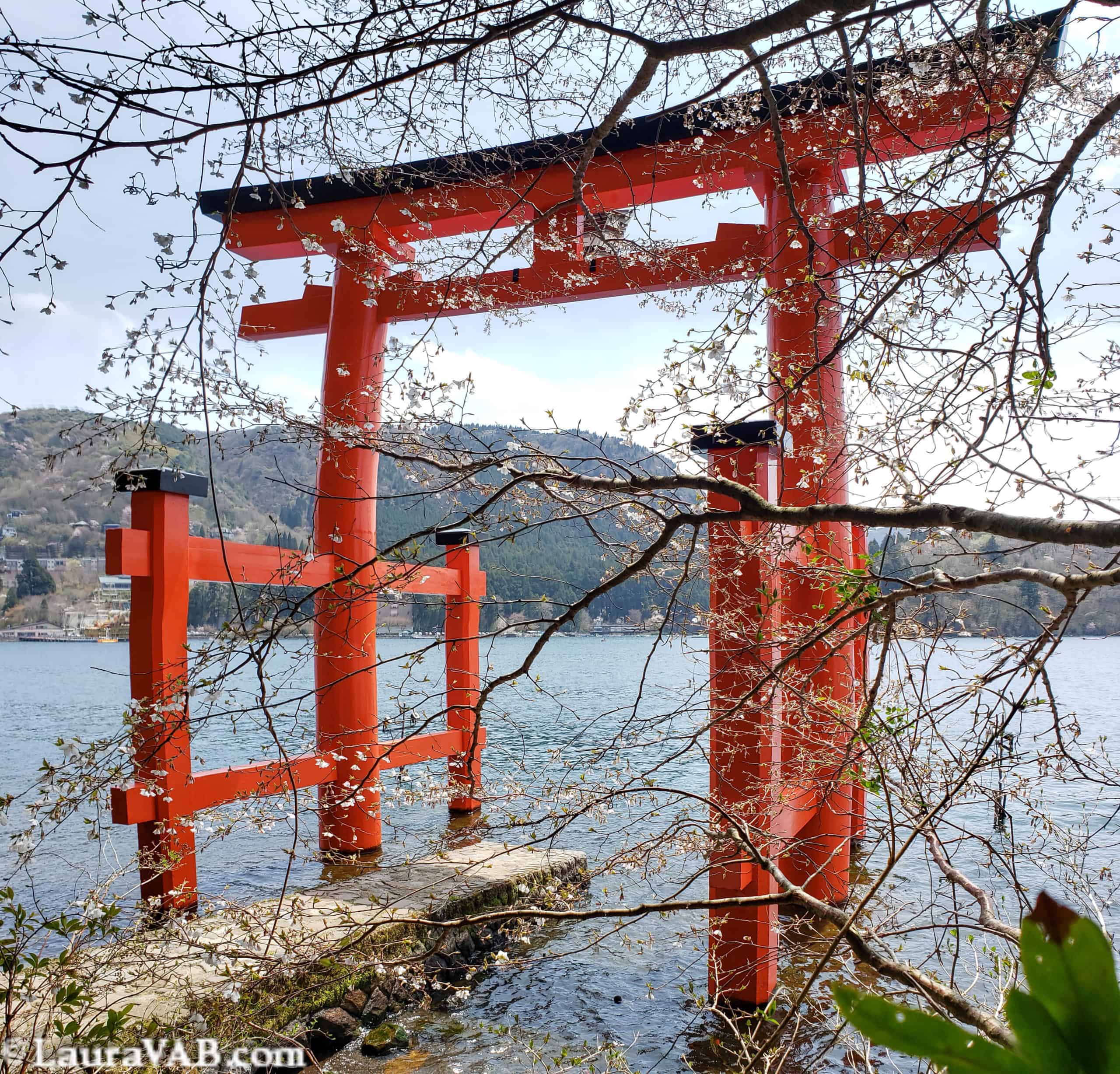
The iconic red gates mark the entrance to a shrine, defining a sacred space, but to many outside Japan they are most associated with Fushimi Inari Taisha, the famous shrine at Kyoto. While there are many fascinating aspects to explore here, the seemingly-endless red torii are a captivating visual and immediately recognizable all over the world.

Fushimi Inari Taisha (伏見稲荷大社) was founded in 711, on Inariyama (Mt. Inari) outside Kyoto. The main structure today dates to 1499 (but is regularly reconstructed, per tradition). Inari Ōkami is the Shinto spirit of rice and its related themes of sake and prosperity. For this reason, you will see donated sake near the shrines.

Throughout Shinto’s long history, Inari has been variously depicted as both male and female. While Susan Spann graciously guided me on my first visit to Fushimi Inari Taisha, we were amused by our distinct references in conversation—I kept referring to Inari as she, and Susan kept saying he, but really that makes sense when you remember that we write in different historical periods.

Fushimi Inari Taisha

Kuro-Tamago (Black Eggs)

I’ve been thinking a lot about Japan lately. Just over a year ago I was on a dream trip through the country, visiting historic sites both famous and less touristy, and I am anxiously waiting for 2020 to play through to see if I can make my scheduled trip this fall, where I plan to hike the Kumano Kodō (熊野古道), a network of millennium-old pilgrimage trails through the south.

But while I wait, I’ve been reminiscing.

Author and Tōkyō resident Susan Spann was my guide to the best of Hakone, from the hotel where we were personally greeted to the little Italian restaurant where the owner brought in a wood-burning pizza oven. (Fair warning: I’m going to be talking up her books, both her historical mysteries about the murder-solving ninja/Catholic priest duo and her upcoming memoir about climbing 100 Japanese peaks in a year to change her inner and outer life.)

But today, let’s just talk about Ōwakudani.

Kuro-Tamago (Black Eggs)
Extraterrestrial Highway

Area 51: Aliens & Exercise

After I left When Words Collide in Calgary, I drove south and followed the Extraterrestrial Highway (NV SR 375) to tiny Rachel, Nevada (population 54).

I’d signed up for the ET Marathon — the half, actually, because I’m not cool enough to do a full marathon. I’d booked the race and my room long before #StormArea51 was born. I arrived early and holed up in a mobile home to work on Blood & Bond.

Area 51: Aliens & Exercise

GeyserCon Report & Rotorua

After our backpacking trip, Jon and I traveled to Rotorua to get ready for GeyserCon, New Zealand’s 2019 national science fiction and fantasy convention.

We got into town a little early, so we stayed at a tourist cottage with Grace Bridges, con chair. Grace booked us into one of her regular favorite places, where we had hot pools and a hot beach and a steaming stream and warning signs all over the yard about the ground potentially burning your feet, be sure to wear shoes.

Rotorua is one of a very few (countable on one hand with fingers left over) communities in the world built on an active geothermal site.

Lake Rotorua, on whose shore our cottages sat, is a water-filled caldera, still active. You can walk along the beach and find little hot springs bubbling up through the sand and lake. This is a good place to wriggle your toes in — but be careful, because it’s easy to find one that’s too hot.

Note the bubbles coming up between my toes.

Remember those chilly wades we had in Abel Tasman? This was the opposite. Even though we were less than a week from the official start of winter, I waded into Lake Rotorua and, with chilly lake water biting at my legs, pushed my toes into the sand to find the heat. My ankles were cold, but my feet were warm.

GeyserCon Report & Rotorua

The Abel Tasman Track: A Great Walk of New Zealand

I’ve just completed a four-day trek through Abel Tasman National Park in New Zealand, along the stunning Abel Tasman Track. I wasn’t going to go all the way to New Zealand for GeyserCon, where I was an author guest, and not fit in some tramping!

We flew into Auckland, sent our convention luggage (books, costumes, normal clothing, etc.) on to Rotorua, and immediately caught a flight for Nelson, where we stayed in a cozy studio (referral link to save $25 anywhere) hosted by the delightful Kate. It was just upon our arrival to Nelson that Jon informed me our cookstove, meant to give us hot food over our four days of late autumn hiking and chilly wading, had also gone on to Rotorua. Oops. Kate was kind enough to give us a 7 am ride to a local store to pick up a cheapo model before our trailhead pickup.

We got a ride into Marahau, a town at the southern edge of the national park, from Abel Tasman Aquataxi. We confirmed the time and location of our next pickup four days later and crossed the street to pick up a local walkway that would lead to the national park entrance.

The Abel Tasman Track: A Great Walk of New Zealand
By night, sakura blossoms and the moon.

A Vicious Spiral of Niceness

This morning I flew into Tokyo. Okay, it was afternoon by Tokyo standards, and night by my home standards, but I slept on the plane so it was morning. Or something.

By night, sakura blossoms and the moon.

I know just enough Japanese to make it seem like I know more. I can’t understand much of the airplane announcements, but I know enough of routine airplane announcements to fill in the gaps. I cannot have a conversation about the specifics of a hobby, but I can exchange a rail pass and get directions and be generally civil.

A Vicious Spiral of Niceness
jagged icebergs in front of mountains

Travelogue: Argentina & Antarctica! Ice & Islands

This entry is part 4 of 5 in the series Argentina & Antarctica

I’m so sorry — I wrote this post way back, but got distracted and didn’t realize it didn’t go live. Let’s talk about ice in Antarctica!

Today, let’s sail through the waters of Antarctica and learn a little.

Ice, Ice, Baby

We entered the Southern Ocean and reached the Antarctic peninsula, sailing through the Gerlache Stait into the Schollart Channel. We had an additional ice pilot with us, a former captain of an Argentine icebreaker ship, now retired and assisting summer vessels.

Travelogue: Argentina & Antarctica! Ice & Islands